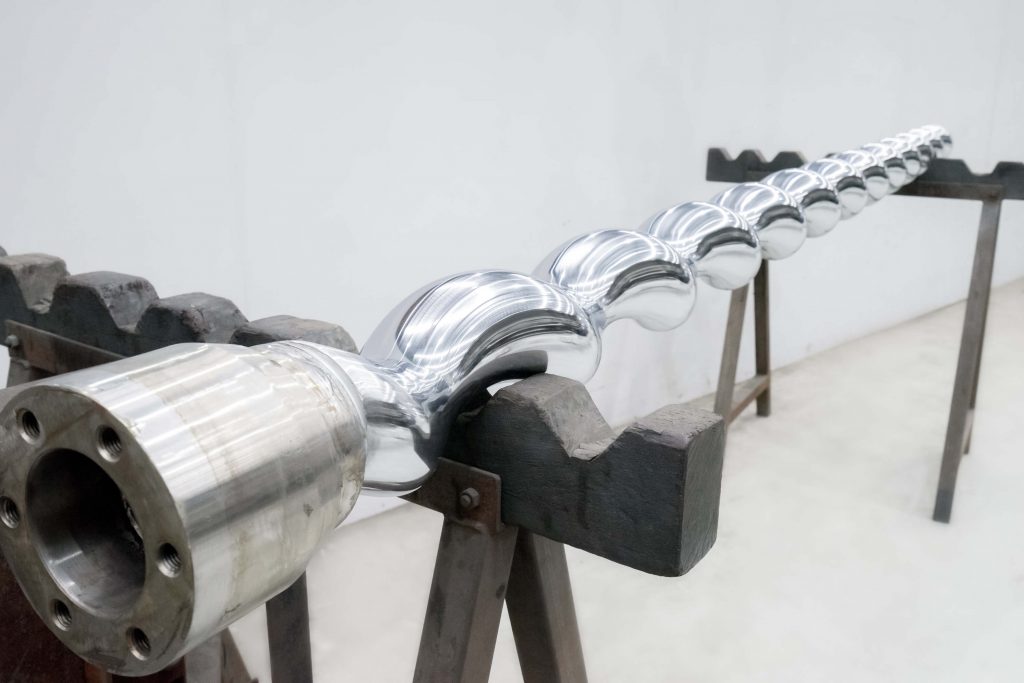
Helical rotors often operate under ongoing friction. When wear begins to affect performance, full replacement may appear to be the only practical response, even though the rotor could still have useful service potential. In this blog post from Australian Surface Technologies, we’ll explain how repair can return a worn rotor to service when it’s suitable for reclamation, helping to reduce the expense and disruption associated with sourcing a replacement.
Why Replacement Isn’t Always the Only Option
Visible wear can make a helical rotor look ready for disposal, yet the damage may only affect the outer working area. If the core remains in suitable condition, there may be an opportunity to restore the component rather than replace it outright. A new rotor is still the right choice when the core has suffered serious damage, although moderate surface wear doesn’t always justify discarding the whole part. The first step is to establish whether the rotor is suitable for repair.
Assessing and Preparing Worn Helical Rotors
Before hard chrome plating begins, the rotor needs to be assessed for wear depth and overall condition. Measurements can help determine whether enough sound material remains for the component to be reclaimed within the required working dimensions. If the rotor is suitable, linishing can remove damaged surface material and reduce irregularities that may interfere with the plated finish. The component is then prepared so contamination doesn’t prevent the new layer from bonding correctly. A carefully planned approach to hard chrome engineering also accounts for the final dimensions needed after deposition and finishing. This preparation matters, as the quality of the finished surface depends heavily on the condition beneath it.
Applications Where Rotor Reclamation May Be Considered
Reclaiming a helical rotor can be relevant in operations where wear develops progressively and a replacement part is expensive to source. Each component still needs its own assessment because the severity of damage can differ even within similar equipment. Some rotors lose material through repeated contact with abrasive substances, while others are affected by fluids that attack the surface. When the underlying rotor remains sound, repair may offer a practical response to that deterioration.
Applications that may warrant an assessment include:
- Dewatering pumps where suspended solids contribute to surface wear
- Wastewater equipment exposed to moisture and difficult process conditions
- Mining systems that depend on costly pump components
- Industrial processing equipment where replacement delays may interrupt production
Comparing Repair with the Cost of Replacement
The price of a new rotor is only one part of the replacement decision. Lead times may also affect the total cost when a pump can’t return to normal service until the new component arrives. Repair can be more economical when the existing rotor has enough sound material for reclamation and the required dimensions can be restored. It may also reduce disruption by allowing the business to retain a component that already suits the equipment. However, repair shouldn’t be chosen solely because it appears cheaper at first. A proper assessment should be carried out to establish whether the reclaimed rotor is likely to perform as required or whether replacement might be a more dependable option.
Discuss Helical Rotor Reclamation with Australian Surface Technologies
At Australian Surface Technologies, we can repair and reclaim worn helical rotors using hard chrome plating. Contact us to discuss restoring your component as a practical alternative to replacement.