
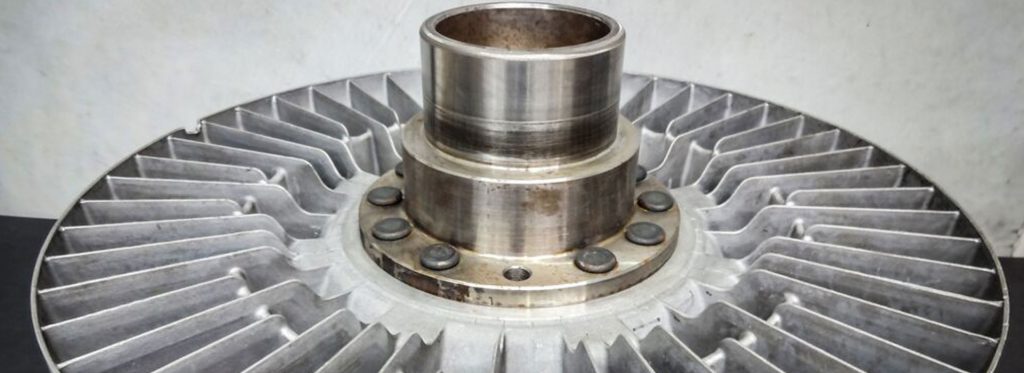
Food production environments demand high hygiene standards at every stage of handling and processing. Even minor surface damage on equipment can create hidden areas where bacteria linger, putting product safety at risk. In this blog post from Australian Surface Technologies, we’ll look at how Hard chrome plating can play a meaningful role in reducing contamination risks across food production settings.
Reducing Bacterial Build-Up Through Smoother Surfaces
One of the main contamination risks in food production comes from microscopic surface defects. Small pits or scratches on untreated metal can trap moisture and organic matter. Over time, these areas become ideal spots for bacteria to settle and multiply. Once contamination takes hold, it can spread through contact with food products or other equipment surfaces. Applying hard chrome plating creates a smooth and uniform finish that reduces these imperfections. With fewer tiny gaps for bacteria to hide in, cleaning becomes more effective, with surfaces easier to wipe down and sanitise.
Minimising Residue Retention During Processing
Food production often involves sticky ingredients or fine particles that cling to equipment. When residues accumulate, they not only affect efficiency, but also increase the risk of cross-contamination between batches. Even with regular cleaning, uneven surfaces can make it difficult to remove every trace of product. Hard chrome plating provides a hard, low-friction surface that helps to reduce product build-up. Ingredients are less likely to adhere strongly, which means equipment stays cleaner throughout the production cycle. By limiting residue retention, the likelihood of contaminants being carried forward into the next stage of production can be greatly reduced.
Strengthening Overall Food Safety Protocols
Reducing contamination risks involves building a system where every element works together to maintain safe conditions, and surface finishes play an often overlooked role in that broader framework. Through hard chrome engineering, equipment components can be enhanced to better suit food production environments. Improved durability means fewer surface defects developing over time, which helps maintain hygienic conditions.
Some of the wider benefits of investing in improved surface finishes include:
- Lower likelihood of bacterial harbourage points forming
- Easier compliance with food safety standards
- Reduced downtime for deep cleaning
- Greater confidence during audits
Each of these factors contributes to a safer production environment, strengthening the foundation of your hygiene strategy.
Improving Long-Term Equipment Performance
Beyond immediate hygiene benefits, surface protection also influences how equipment performs over time. Food processing machinery operates under constant use, which can gradually wear down untreated metal. As surfaces degrade, contamination risks increase due to new scratches or areas of corrosion. Applying hard chrome plating helps extend the service life of components exposed to heavy workloads. The hardened finish resists abrasion and maintains its smooth profile for longer periods, reducing the need for frequent part replacements.
When considered as part of a broader maintenance approach, hard chrome engineering can support both hygiene objectives and operational efficiency. Equipment that remains in good condition is easier to manage from a food safety perspective, giving businesses greater control over contamination risks.
Talk with the Experts at Australian Surface Technologies Today
At Australian Surface Technologies, we understand how important surface integrity is in food production settings. We work closely with our clients to deliver hard chrome plating solutions that allow for cleaner operations and safer outcomes. If you’re looking to reduce contamination risks across your facility, get in touch with our team today for practical surface solutions tailored to your needs.